
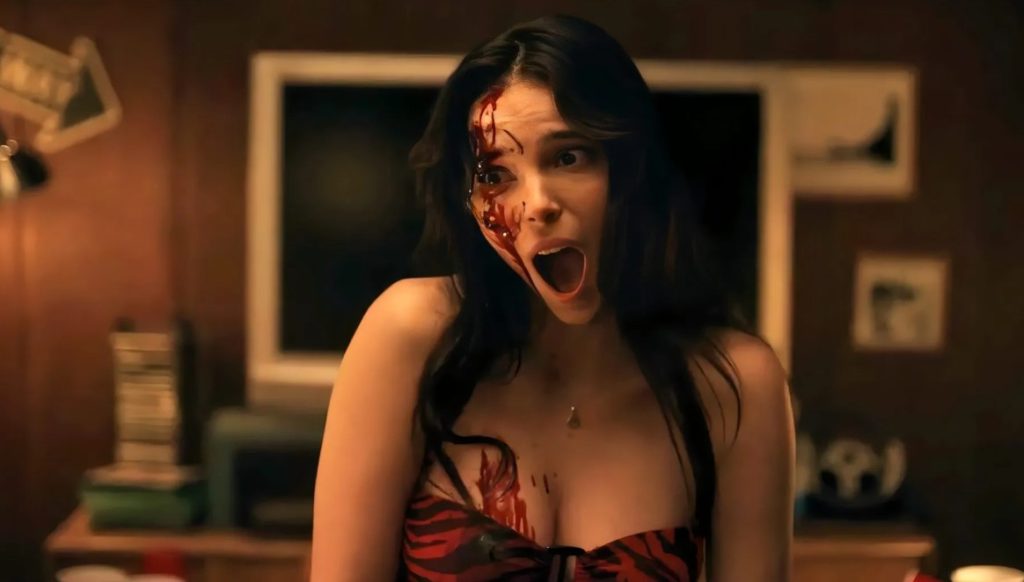
Gen Z has grown up in a media environment shaped by crisis, algorithms, fandoms, short videos, gaming, and online myths. This has influenced the kinds of films that capture their attention. Horror, fantasy, and internet-lore stories appeal because they match the emotional and digital conditions of young audiences. These genres do not only entertain. They give form to fear, uncertainty, identity, and community.
For Gen Z, a film is rarely just a film. It can become a theory thread, reaction video, fan edit, meme format, or group chat debate. A viewer can move from a horror trailer to a fantasy explanation, from a lore breakdown to a mobile entertainment reference such as chicken road 2 casino game, all inside the same digital routine where stories are watched, discussed, remixed, and decoded.
Horror Turns Anxiety Into Structure
Horror appeals to Gen Z because it gives anxiety a shape. Many young people have grown up with constant exposure to bad news, climate concerns, economic pressure, school disruption, political conflict, and digital comparison. These pressures can feel abstract and difficult to control.
Horror transforms that feeling into a story with rules. There is a threat, a setting, a pattern, and sometimes a way to survive. Even when the ending is bleak, the fear becomes contained inside a narrative. This can make horror feel less overwhelming than real anxiety.
The genre also allows viewers to face fear in a controlled setting. A cinema, bedroom, or group watch creates distance. The viewer can feel tension, but they can also pause, laugh, comment, or discuss the scene later. Fear becomes social.
For Gen Z, horror often works best when it reflects modern unease: surveillance, isolation, online obsession, identity loss, family pressure, or social performance. The monster does not need to be only physical. It can be emotional, technological, or cultural.
Fantasy Offers Escape With Systems
Fantasy appeals for a different reason. It creates worlds with rules, maps, roles, powers, histories, and conflicts. In a world where real institutions often feel unstable, fantasy offers structure. The viewer enters a system that can be learned.
This is important for Gen Z because they are used to worldbuilding through games, fandoms, online communities, and serialized content. They enjoy stories that can be explored beyond the screen. A fantasy film can lead to character rankings, timeline explanations, fan art, theories, and debates about rules.
Fantasy also allows identity play. Characters often struggle with belonging, power, transformation, exile, loyalty, or chosen family. These themes connect with young audiences who use media to explore identity online. A fantasy world gives symbolic language for personal questions.
The appeal is not only escape. It is structured escape. Gen Z does not always want to leave reality for nothing. They often want to enter a world that can be interpreted, mapped, and shared.
Internet-Lore Films Match Digital Childhood
Internet-lore films are especially relevant to Gen Z because they come from the same environment that shaped them. These stories often draw from creepypasta, forum myths, analog horror, found footage, lost media, cursed images, online games, fictional archives, and mysterious accounts.
This type of storytelling feels familiar because Gen Z grew up seeing stories spread through fragments. A screenshot, audio clip, comment, video, fake document, or blurry image can become part of a larger mystery. The audience is trained to connect pieces.
Internet-lore films also blur the line between fiction and participation. Viewers may search for clues, compare theories, examine timestamps, decode symbols, and argue about what is real inside the story. The film becomes a puzzle rather than a closed text.
This fits Gen Z’s media habits. They are used to entertainment that continues outside the original format. A film can begin on a screen but live on through explanations, reaction content, fan edits, and online speculation.
Why These Genres Travel Well Online
Horror, fantasy, and internet-lore stories are highly shareable because they produce fragments that work in feeds. A jump scare, creature design, strange symbol, magical rule, disturbing image, or unexplained scene can circulate without the full film.
This matters because Gen Z often discovers films through fragments before watching the full work. A single scene can create curiosity. A fan edit can build emotional interest. A theory video can make the story feel deeper. A meme can keep it visible.
These genres also invite reaction. Horror produces fear and laughter. Fantasy produces loyalty and debate. Internet-lore produces investigation. Each response can become content. The audience does not only watch; it extends the film’s life.
For studios and creators, this makes these genres useful in the attention economy. They are not limited to the theater or streaming platform. They can spread through fan labor.
Community Turns Viewing Into Participation
Gen Z often treats entertainment as participation, and these genres support that habit. Horror fans compare reactions and endings. Fantasy fans build knowledge systems around characters and worlds. Internet-lore fans act like investigators.
This creates community. A viewer can belong by knowing the theory, recognizing the symbol, ranking the characters, or understanding the reference. The genre becomes a shared language.
The social layer can also make niche films feel larger. A low-budget horror film or small internet-lore project can gain attention if fans make it discussable. The strength of the community can matter as much as the marketing budget.
For Gen Z, this is a key attraction. The film is not only consumed. It becomes something to join.
Darkness, Magic, and Digital Myth
These genres also help Gen Z process the feeling that reality itself has become unstable. Horror reflects fear. Fantasy creates alternate order. Internet lore turns digital confusion into myth.
The internet has produced new forms of folklore: mysterious videos, cursed posts, fictional archives, urban legends, and collective investigations. Gen Z understands that a story can feel powerful even when it is fragmented, anonymous, or partly unreal.
That is why internet-lore films feel natural to them. They mirror how stories already move online.
Conclusion: Genres Built for Gen Z’s Media World
Horror, fantasy, and internet-lore films appeal strongly to Gen Z because they match the generation’s emotional and media habits. Horror gives anxiety a form. Fantasy offers escape through systems. Internet-lore turns digital fragments into mystery.
These genres also reward participation. They invite theories, edits, comments, reactions, rankings, and fan communities. They do not end when the credits roll. They continue through the feed.
For Gen Z, the strongest films are often the ones that can be felt, decoded, shared, and argued over. Horror, fantasy, and internet-lore stories succeed because they are not only watchable. They are expandable.

Elsa Lund is a language enthusiast and founder of Grammar Guide, where she shares expert tips on English grammar, writing, and communication. Her clear, practical advice helps readers write with confidence and precision. Follow Elsa for more easy-to-understand grammar tips and writing insights.