
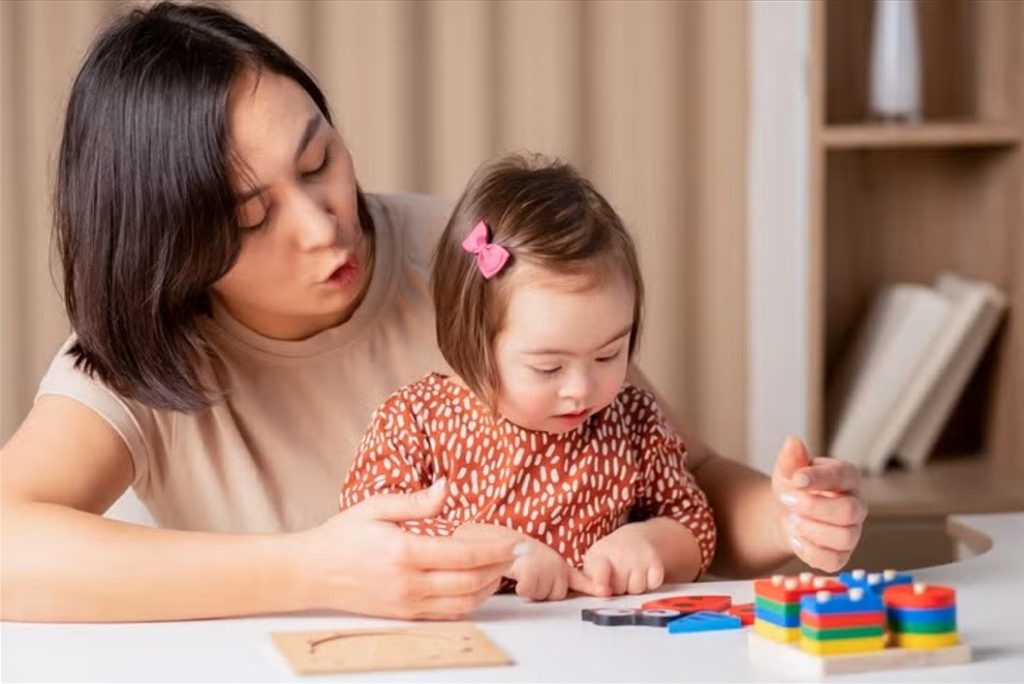
Early childhood is a critical period for learning, communication, social interaction, and overall development. During the first few years of life, children develop foundational skills that influence future learning, behaviour, and independence. When developmental delays or learning challenges are identified early, timely support can help children strengthen important skills and improve long term outcomes.
Many parents researching Growing Academy Eipic Programme are often looking for information about early intervention services that support children with developmental needs. In Singapore, Early Intervention Programme for Infants and Children, commonly known as EIPIC, is designed to provide therapy and educational support for children aged 0 to 6 years who require medium to high levels of developmental intervention. The programme focuses on helping children develop communication, cognitive, motor, social, and adaptive skills through structured support.
Why Early Intervention Matters
Research and developmental specialists often emphasise the importance of intervention during early childhood because the brain demonstrates significant adaptability during the early years. This period allows children to build important developmental foundations through structured learning experiences and therapeutic support.
Early intervention may help children improve language development, social interaction, emotional regulation, motor skills, and everyday functioning. The earlier developmental concerns are identified and addressed, the greater the opportunity to support progress during key stages of growth.
For many families, early support also provides guidance and strategies that can be applied within daily routines at home.
Understanding Developmental Support Services
Children may require developmental support for various reasons. Some may experience speech and language delays, while others may require assistance with social communication, sensory processing, behaviour regulation, learning skills, or motor development.
Intervention programmes often involve multidisciplinary teams that work together to create individualised goals based on each child’s needs. These teams may include speech therapists, occupational therapists, behavioural specialists, psychologists, and early intervention educators.
A collaborative approach allows professionals to address multiple developmental areas while supporting overall growth.
The Importance of Individualised Learning
Every child develops at a different pace and may require different forms of support. Because developmental needs vary, many intervention programmes focus on creating personalised learning goals rather than applying a single standard approach to all children.
Individualised planning often considers communication abilities, social development, sensory needs, behavioural patterns, learning styles, and family goals. Regular assessments may also help track progress and adjust intervention strategies when necessary.
This flexibility allows support plans to evolve alongside the child’s developmental progress.
Building Communication and Social Skills
Communication and social interaction are often key areas of focus within early intervention services. Many children benefit from structured opportunities to develop expressive language, receptive language, social understanding, and interaction skills.
Activities may involve play based learning, guided conversations, group participation, and structured communication exercises. These experiences help children practise important skills that support relationships, learning, and everyday participation.
Developing communication skills can also contribute positively to confidence and emotional expression.
Supporting Families Throughout the Process
Early intervention does not focus solely on the child. Many programmes recognise the important role parents and caregivers play in supporting development outside structured sessions.
Parent training, caregiver guidance, and family collaboration are often included within intervention models. These approaches help families understand developmental goals and learn strategies that can be applied during daily activities and routines.
When intervention strategies are reinforced consistently across different environments, children may have more opportunities to practise and generalise newly learned skills.
Transitioning Towards Educational Readiness
One of the long term goals of many intervention programmes is preparing children for future learning environments. Developing independence, classroom readiness, communication abilities, and social confidence can help support smoother transitions into preschool and primary school programme Singapore settings.
Educational readiness involves more than academic skills alone. Children may also work on following routines, participating in group activities, managing emotions, and adapting to structured environments.
Building these foundations early can support future educational experiences and learning opportunities.
Understanding Different Programme Options
Singapore offers a variety of developmental support pathways for children with different levels of intervention needs. Government supported programmes, private intervention centres, inclusive preschool models, and specialised educational services each provide different approaches depending on individual circumstances.
The Growing Academy offers early intervention services that incorporate multidisciplinary support, including speech therapy, occupational therapy, Applied Behaviour Analysis, social skills development, and structured learning programmes designed for different developmental stages. The academy also provides classes tailored to various age groups and developmental levels to support holistic learning and school readiness.
Families often evaluate programmes based on factors such as therapy scope, learning environment, accessibility, specialist support, and individual developmental goals.
Conclusion
Awareness of developmental support services continues to grow as more families seek early assessment and intervention for children who may benefit from additional guidance. Advances in developmental education and therapy have expanded the range of available support options while increasing focus on individualised care and family involvement.
For parents exploring Growing Academy Eipic Programme, understanding the purpose of early intervention can provide valuable insight into how structured support may help children build communication, social, behavioural, and learning skills during important stages of development. Through early identification, personalised intervention, and collaborative support, many children are given opportunities to strengthen foundational skills that contribute to long term growth and future learning success.