Have you ever noticed how slot gaming keeps changing while still staying easy to understand?
Slot gaming has moved far beyond the old image of a simple machine with spinning reels. The basic idea is still familiar: place a bet, spin, and wait for the result. Yet modern markets have changed how slot games are built, shared, played, and managed. Today, slot gaming is shaped by digital tools, mobile habits, user expectations, stronger systems, and creative design.
The evolution of slot gaming is not about replacing the core format. It is about making the format clearer, more flexible, and better suited to how people use digital products now.
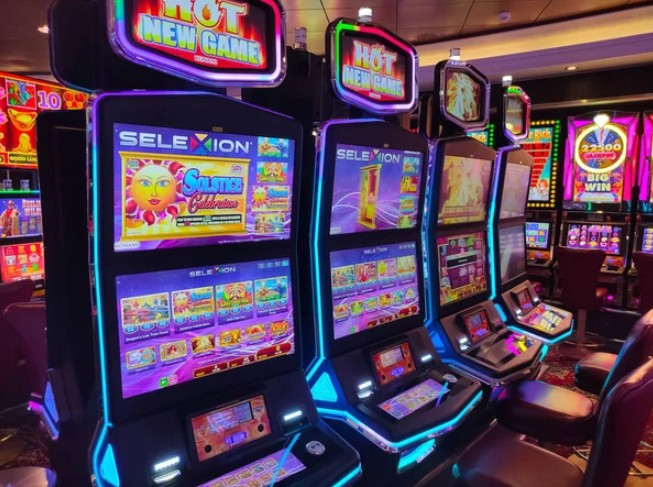
From Physical Machines to Digital Platforms
Slot games first became popular through physical machines. These machines had fixed reels, set symbols, and limited features. Their charm came from simple play and instant results.
Digital platforms changed that structure. Instead of being limited by hardware, slot games could now use software to create more layouts, themes, animations, and feature rounds.
What Changed With Digital Slots?
Digital slot games made it possible to add:
- More reel formats
- Animated symbols
- Bonus screens
- Free-spin rounds
- Adjustable settings
- Clearer paytables
- Multi-device access
Mobile Play Became a Major Driver
Modern markets are shaped by mobile use. People expect digital products to work well on phones, and slot gaming has followed that trend.
A mobile slot game needs clear buttons, fast loading, readable text, and a layout that fits smaller screens. The player should be able to check the balance, change the bet size, open the paytable, and spin without confusion.
Practical Example
A five-reel slot on a desktop may have space for large menus and wide animations. On a phone, the same game must be arranged carefully. The spin button needs to be easy to tap. The win amount must be visible. Bonus details should not cover the reels.
User Experience Is Now Central
Slot gaming in modern markets is strongly linked to user experience. Players expect clean design, quick feedback, and simple controls.
A modern slot game usually gives feedback right after every action. If a player wins, the game highlights the symbols. If a bonus starts, the screen shows what triggered it. If settings are changed, the result is clear right away.
Why Clear Design Matters
Clear design helps players understand:
- How much are they betting
- Which symbols created a win
- How a bonus feature works
- Where to find game rules
- How to manage sound and speed
Themes Have Become More Creative
Older slot games often used simple fruit, bars, bells, and numbers. Modern slots can use many types of themes, from history and sport to nature, music, fantasy, and everyday stories.
Themes help shape the mood of the game. They affect symbols, sounds, background art, and bonus features.
Example of Theme-Based Logic
A slot with a space theme may use planets as symbols and a rocket launch as a bonus trigger. A music-themed slot may use instruments, notes, and stage lights. The theme does not change the random nature of the spin, but it gives the game its character.
Good themes make the rules easier to remember because the visuals and features feel connected.
Bonus Features Add More Variety
Bonus features are one of the clearest signs of slot gaming evolution. Modern games often include more than simple line wins.
Common features include:
- Free spins
- Multipliers
- Expanding reels
- Pick rounds
- Symbol collections
- Bonus meters
Keeping Features Easy to Follow
A bonus feature works best when the rules are clear. For example, if three scatter symbols trigger free spins, the game should show that clearly in the paytable. During the bonus, the player should know how many spins remain and what special rules are active.
Data Helps Improve Game Design
Digital markets use data to improve products, and slot gaming is no different. Broad gameplay data can show how users interact with a game.
For example, designers may notice that many players open the help screen during a certain feature. That may mean the feature needs clearer wording. If players often change sound settings, the sound controls may need a better position.
Practical Use of Data
Data can help improve:
- Button placement
- Menu wording
- Loading speed
- Feature explanations
- Screen layout
- Session flow
Fairness and System Logic Remain Important
As slot gaming evolves, the system behind each spin remains important. Random number systems decide outcomes. Paytables define symbol values. Game engines apply the rules.
Modern platforms also use testing, records, and monitoring to confirm that games run as intended.
The Role of Clear Information
Players benefit when game information is easy to find. Useful details may include:
- Symbol values
- Bonus rules
- Payline structure
- RTP details are shown
- Volatility notes were included
Account Tools Have Improved
Modern slot gaming platforms often include account systems that help users track activity and manage settings. These tools reflect the same expectations people have from other digital services.
Players may be able to view transaction history, session details, limits, and preferences.
Why Account Clarity Helps
Clear account tools allow users to check:
- Current balance
- Recent deposits or withdrawals
- Active limits
- Session history
- Game activity
Cross-Device Access Is Becoming Normal
Modern digital users often switch between devices. They may use a phone during the day and a laptop later. Slot gaming platforms can support this through account-based access and saved settings.
This means the experience can feel consistent across devices. A user can log in, find familiar settings, and continue using the platform without starting from scratch.
Accessibility Is Part of Modern Design
Accessibility has become a stronger part of digital product design. Slot games can support this through readable text, clear symbols, strong contrast, sound controls, and simple menus.
Accessibility is practical. It helps more people understand what is happening on screen. It also helps in everyday situations, such as playing with low volume or using a smaller display.
Market Preferences Keep Shaping Slot Games
Different markets may prefer different styles of slot gaming. Some users like classic three-reel formats. Others prefer feature-rich video slots. Some enjoy short sessions, while others prefer games with longer bonus structures.
Modern platforms can support many styles because digital systems are flexible. This allows slot gaming to serve varied preferences without losing the basic spin format.
The Future of Slot Gaming Evolution
Slot gaming will likely keep changing through better mobile design, clearer rules, richer features, and stronger account tools. Future games may focus more on clean layouts, faster loading, smarter tutorials, and better control options.
The most useful innovation will be the kind that makes games easier to understand and more comfortable to use. A slot game does not need to be complex to feel current. It needs to run well, explain itself clearly, and give players a smooth experience.
Conclusion
The continuous evolution of slot gaming in modern markets comes from a mix of technology, design, user habits, and system improvements. Digital platforms have expanded what slot games can do, while mobile access has changed where and how people play.
Even with all these changes, the core idea remains simple. A player spins the reels and waits for the outcome. What has evolved is the experience around that moment: clearer screens, better features, stronger account tools, and more flexible access.

Elsa Lund is a language enthusiast and founder of Grammar Guide, where she shares expert tips on English grammar, writing, and communication. Her clear, practical advice helps readers write with confidence and precision. Follow Elsa for more easy-to-understand grammar tips and writing insights.