
Strong communities are often built through collective support, shared responsibility, and a willingness to help those facing difficult circumstances. While Singapore is known for its economic development and modern infrastructure, some individuals and families still experience challenges related to financial hardship, food insecurity, and daily living expenses. Community organisations and charitable initiatives play an important role in providing assistance while helping vulnerable groups maintain dignity and stability.
Many people searching for ways to help needy families in Singapore are often interested in understanding how food support programmes, donation drives, volunteer initiatives, and community partnerships contribute to social welfare. According to Food from the Heart, the organisation focuses on alleviating food insecurity through food distribution programmes that support lower income individuals, families, and seniors across Singapore.
Understanding Food Insecurity and Community Needs
Food insecurity can affect people from different backgrounds and age groups. Rising living expenses, unexpected financial difficulties, health conditions, and caregiving responsibilities may create situations where families struggle to maintain consistent access to nutritious food.
Community organisations often work to bridge these gaps by providing food assistance, household essentials, and support services to those who require additional help. Programmes may involve direct food distribution, community food packs, meal services, and donation based initiatives designed to reach vulnerable groups.
These efforts help ensure that basic needs remain accessible to individuals and families facing temporary or long term challenges.
The Role of Food Donation Programmes
Food donation programmes have become an important part of social support networks. Charities frequently collect non perishable food items, surplus food supplies, and essential groceries from individuals, businesses, and community partners.
Food from the Heart encourages donors to contribute items that match the needs of beneficiaries through its donation guidelines and wish list system. The organisation notes that targeted donations help reduce waste while ensuring that recipients receive practical and useful food items.
By coordinating donations effectively, charities can distribute resources more efficiently across different communities.
How Volunteers Support Community Efforts
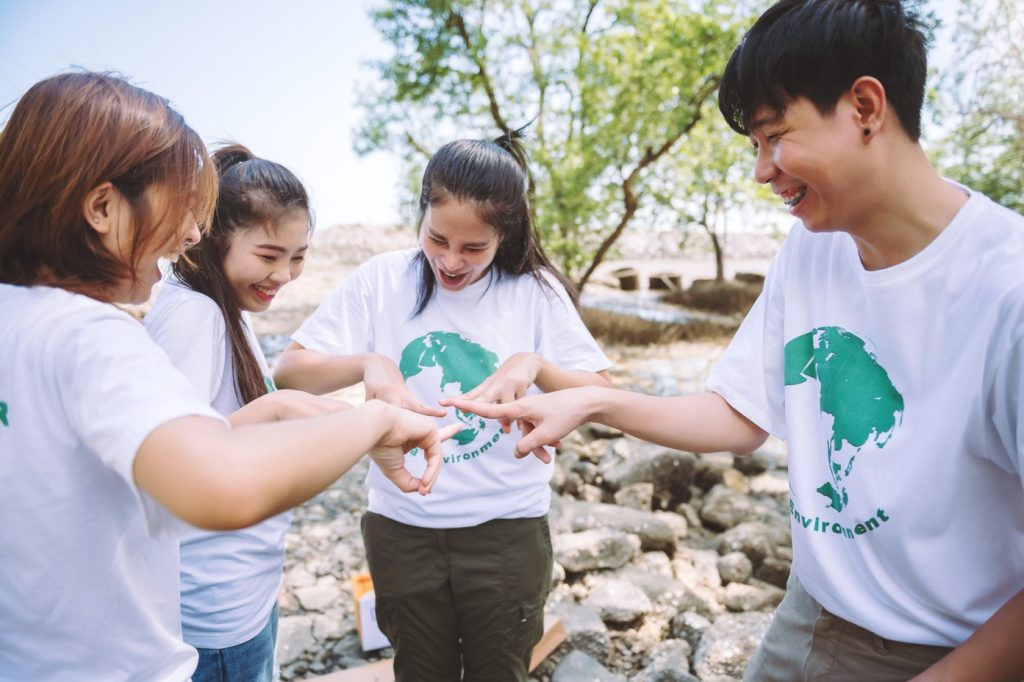
Volunteers contribute significantly to the success of many charitable organisations. Food collection, sorting, packing, distribution, and administrative support often depend on volunteer participation.
Volunteer programmes also create opportunities for individuals, families, schools, and companies to contribute directly to community welfare. According to Volunteer Singapore, Food from the Heart regularly engages volunteers in food packing and distribution activities that help deliver assistance to beneficiaries.
These experiences often strengthen community involvement while increasing awareness of social challenges affecting vulnerable groups.
Supporting Seniors and Vulnerable Households
Many assistance programmes focus on supporting seniors who live alone, lower income households, and individuals with limited access to resources. Regular food support can help reduce financial strain while ensuring access to essential nutrition.
Food from the Heart’s Community Food Pack initiative provides food assistance to seniors and lower income families through recurring distributions designed to support basic dietary needs. Community based food programmes help create more reliable access to food while addressing ongoing household challenges.
Consistent support can contribute positively to both physical wellbeing and peace of mind.
Community Partnerships and Collective Action
Many charitable programmes operate through collaboration between non profit organisations, businesses, schools, volunteers, and public donors. These partnerships allow resources to be shared more effectively while expanding the reach of support initiatives.
Food charities often work with food manufacturers, retailers, distributors, and community organisations to collect and redistribute food that can benefit individuals in need. Such collaborations help reduce food waste while strengthening community support systems.
Collective action often creates a greater impact than isolated efforts alone.
The Importance of Responsible Donations
Effective charitable support involves understanding what beneficiaries actually need. Many organisations provide donation guidelines to help donors contribute suitable items that can be distributed efficiently.
Food banks and charities commonly request unopened, unexpired food products with sufficient shelf life remaining before expiration. Following these guidelines helps ensure that donated items remain safe and useful for recipients.
Responsible giving allows organisations to maximise the value of donated resources while reducing unnecessary waste.
Building Long Term Social Support Networks
Addressing community needs often requires more than short term assistance. Sustainable programmes aim to provide ongoing support while fostering stronger community connections.
Food assistance initiatives, volunteer programmes, community shops, and social welfare partnerships all contribute to broader support networks that help individuals navigate challenging circumstances. These systems can create greater stability for households while encouraging continued community involvement.
Long term support strategies often help strengthen resilience across different segments of society.
Conclusion
Community support remains an important part of building a compassionate and inclusive society. As social needs continue to evolve, charities, volunteers, donors, and community organisations play a valuable role in ensuring that assistance reaches those who need it most.
For individuals looking to help needy families in Singapore, understanding how food assistance programmes, donation initiatives, and volunteer efforts operate can provide meaningful opportunities to contribute. Through responsible giving, community participation, and ongoing support, individuals and organisations can continue helping vulnerable families access essential resources while strengthening social wellbeing across Singapore.